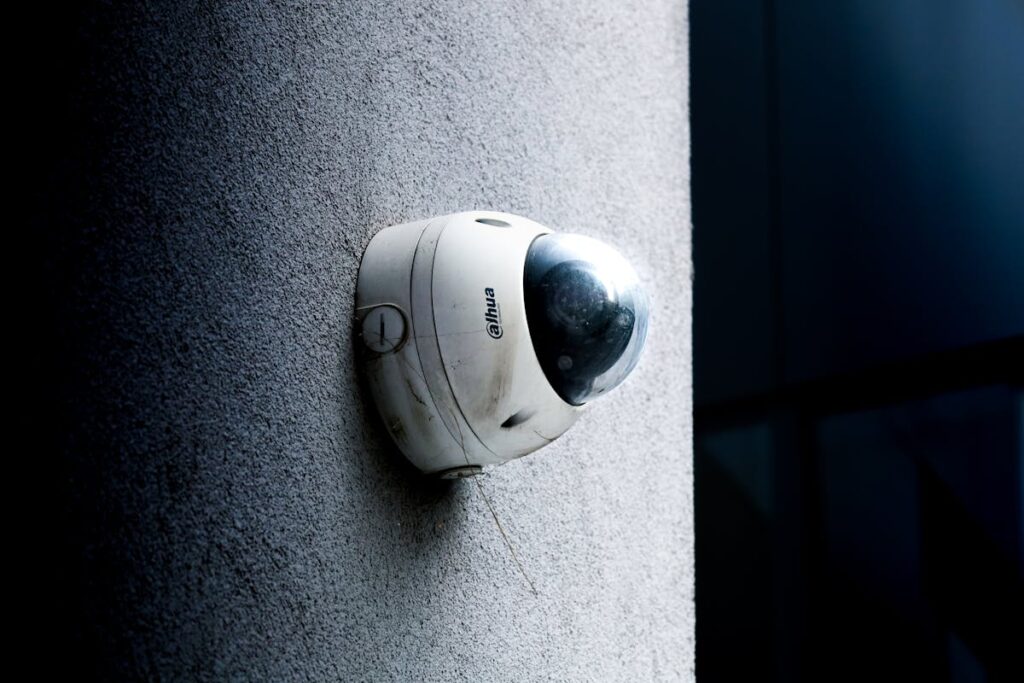
Home Security in the Valley of the Sun
Phoenix is a wonderful place to call home, but like any major metropolitan area, property crime is a reality that homeowners need to take seriously. According to recent statistics, property crime rates in parts of the Phoenix metro area exceed national averages. A well-designed security camera system is one of the most effective deterrents against break-ins, package theft, and vandalism, and it provides invaluable evidence if an incident does occur.
But installing cameras in Phoenix is not the same as installing them in Seattle or Chicago. Our extreme heat, intense sun, monsoon storms, and dust create unique challenges that require careful planning and the right equipment.
POE vs. Wireless Cameras: Making the Right Choice
The first major decision is whether to go with Power over Ethernet (POE) or wireless cameras. Each has its place, and understanding the trade-offs is essential.
Power over Ethernet (POE) Cameras
POE cameras receive both power and data through a single ethernet cable connected to a POE switch or network video recorder (NVR). This is the gold standard for home security for several important reasons:
- Reliability: A wired connection never drops, lags, or suffers from Wi-Fi interference. Your cameras record continuously without gaps.
- Image quality: Ethernet supports higher resolution video streams without compression artifacts. You get crisp 4K footage that can actually identify faces and license plates.
- No batteries: POE cameras run 24/7 without worrying about battery life or solar panel positioning.
- Local storage: Footage is stored on a local NVR in your home, not on a cloud server requiring monthly subscription fees.
The downside is that POE cameras require running ethernet cables from each camera location to a central NVR, which is best done during construction or by a professional who can fish cables through walls and attics.
Wireless Cameras
Wireless cameras like Ring, Arlo, and Wyze are popular because of their easy installation. They connect over Wi-Fi and many run on rechargeable batteries. They are ideal for renters, temporary monitoring, or supplementing a wired system in hard-to-reach locations.
However, wireless cameras have significant limitations in the Phoenix environment. Battery life degrades dramatically in extreme heat, sometimes requiring recharging every few weeks during summer. Wi-Fi connections can be unreliable over distance, leading to missed recordings. And most wireless cameras require cloud subscriptions for video storage, which adds up over time.
Surviving the Phoenix Heat
Arizona summers push temperatures well above 110 degrees Fahrenheit, and surfaces in direct sunlight can reach 160 degrees or higher. Camera selection and placement must account for this reality.
- Choose cameras rated for high temperatures. Look for operating temperature ratings of at least -22 to 140 degrees Fahrenheit. Budget cameras rated to only 104 degrees will fail during a Phoenix summer.
- Mount cameras under eaves or soffits whenever possible to keep them out of direct sunlight. A camera baking in full afternoon sun on a west-facing wall will overheat and shut down when you need it most.
- Use white or light-colored camera housings that reflect heat rather than dark housings that absorb it.
- Consider sun shields for cameras that must be exposed to direct sunlight. These small metal hoods dramatically reduce housing temperatures.
Monsoon and Dust Protection
Phoenix monsoon season brings intense wind, rain, dust storms, and even hail. Your cameras need to be weatherproof with an IP66 or IP67 rating at minimum. This ensures they are completely sealed against dust ingress, which is critical given the haboobs and dust storms that roll through the valley.
Mounting hardware should be stainless steel or powder-coated to resist corrosion. Standard zinc-plated screws and brackets will rust and fail within a year or two in our climate. Professional installation includes using the right hardware for long-term durability.
Strategic Camera Placement
Where you place your cameras matters as much as what cameras you buy. A common mistake is pointing cameras too wide or too far, resulting in footage where faces are too small to identify. Here is our recommended placement strategy for Phoenix homes:
- Front door and porch: A doorbell camera plus a wider-angle camera covering the entire front approach. Package theft is a major concern, and a clear view of the porch is essential.
- Driveway and garage: Cover the driveway with a camera that can capture license plates. If you have a side garage entry, add coverage there as well.
- Backyard and side gates: Most break-ins occur through back and side entries, not the front door. Cameras covering gates and sliding doors are critical.
- Interior entry points: An interior camera covering the main hallway or living area provides backup footage and helps authorities track movement inside the home during an incident.
Night Vision and Lighting
Most incidents occur at night, so night vision capability is non-negotiable. Modern cameras offer two types of night vision: traditional infrared, which produces black-and-white footage, and full-color night vision with built-in spotlights. Full-color night vision provides dramatically more useful footage for identifying intruders, vehicles, and clothing colors.
Pairing cameras with smart motion-activated lighting serves double duty as both a deterrent and a way to improve camera footage quality. We often install cameras and smart floodlights together for comprehensive nighttime coverage.
Professional Installation for Complete Coverage
At HandyMack Tech & Home Services, we design and install complete security camera systems tailored to your home and property layout. We handle everything from planning camera positions and running cables through walls and attics, to mounting cameras securely, configuring your NVR, and setting up remote viewing on your phone.
We only recommend and install equipment rated for the Phoenix climate, and we use professional-grade mounting hardware that stands up to monsoons, dust, and extreme heat. Every installation includes a walkthrough of your system so you know exactly how to access footage, adjust settings, and get the most from your investment. Protect your Phoenix home with a camera system designed for our unique environment. Contact HandyMack today for a free security assessment.